
5 min readResearch note
How to Measure Robustness in Adversarial DFL Experiments
Evaluate DFL robustness with F1, false rejection, overhead and recovery. Interpret Flighter and compare clean and attacked conditions.
Research notes and technical guides on federated learning, distributed AI, cyberdefense, trustworthy systems, and privacy-preserving platforms.
18 articles. Page 2 of 3.
5 min readResearch note
Evaluate DFL robustness with F1, false rejection, overhead and recovery. Interpret Flighter and compare clean and attacked conditions.

5 min readResearch note
How Flighter combines context and models to evaluate DFL reliability: study scope, indicator ablations and participant recovery.

5 min readGuide
Design a DFL system with topology, message contracts, mixing weights, recovery policies and per-client evaluation.
5 min readResearch note
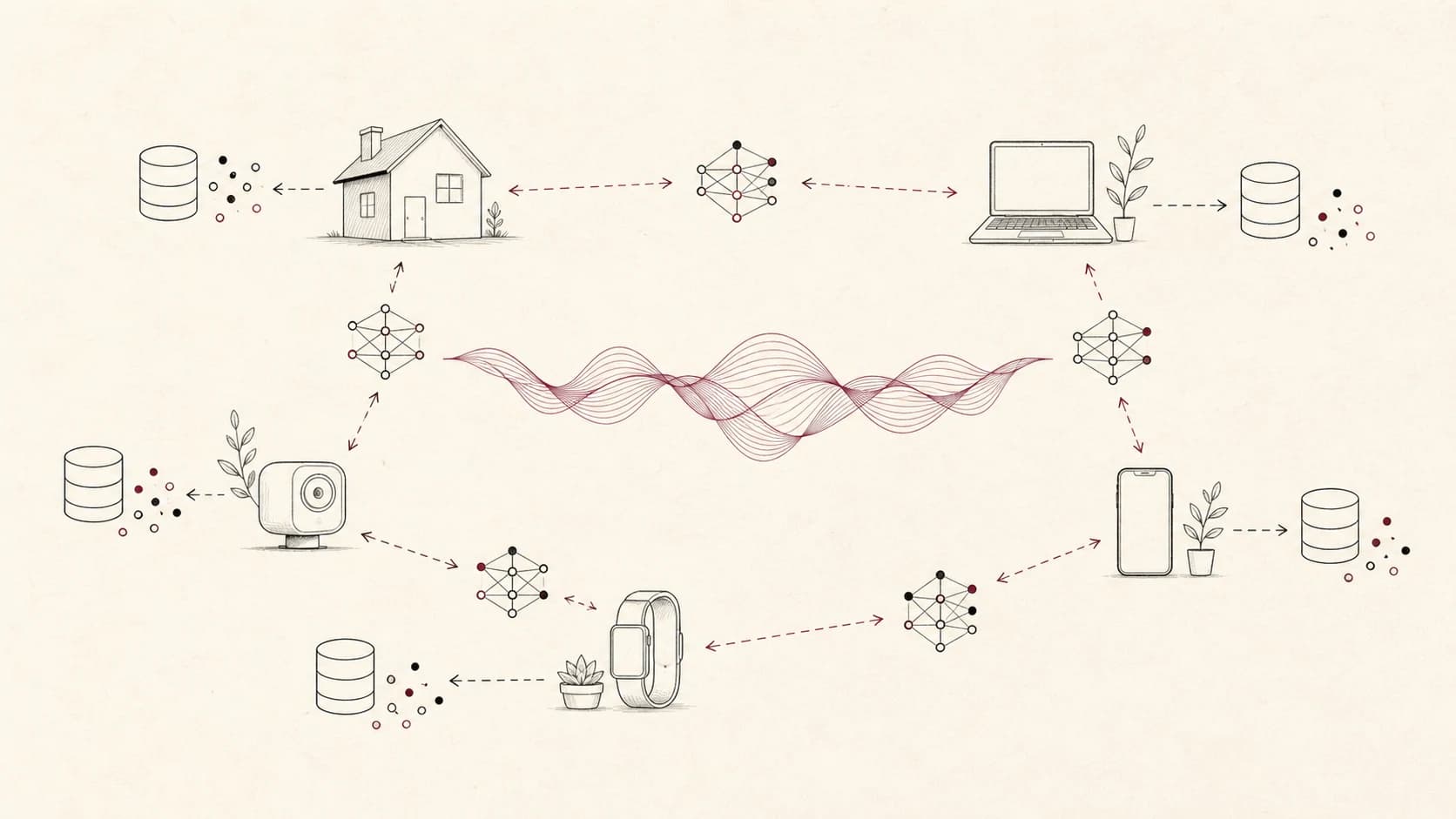
Why DFL changes coordination, consensus and trust. Identify central dependencies and test which services survive a failure.
5 min readGuide
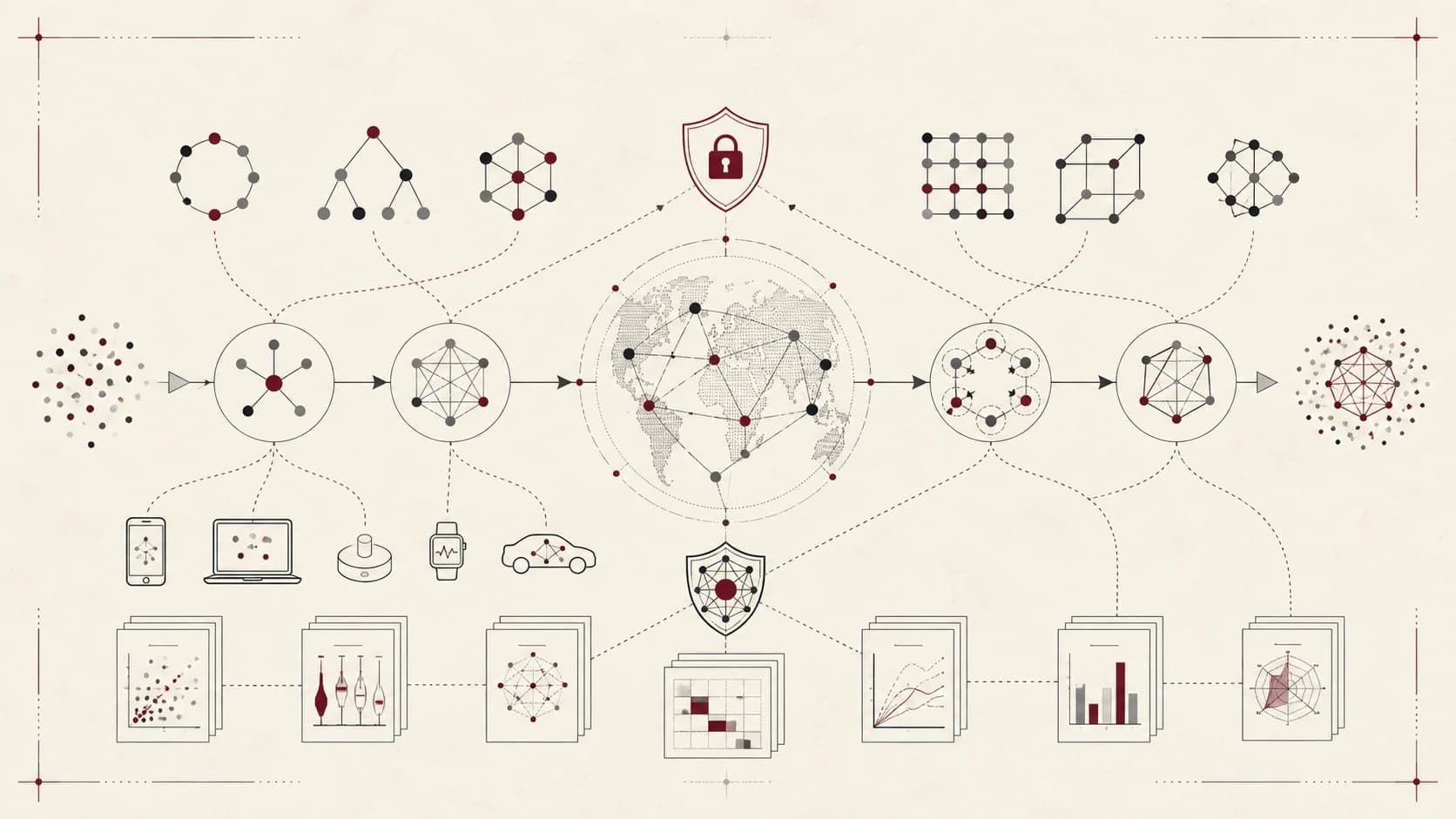
From the DFL survey to Flighter and Modalis: turn literature into testable hypotheses, reproducible experiments and traceable evidence.
5 min readResearch note
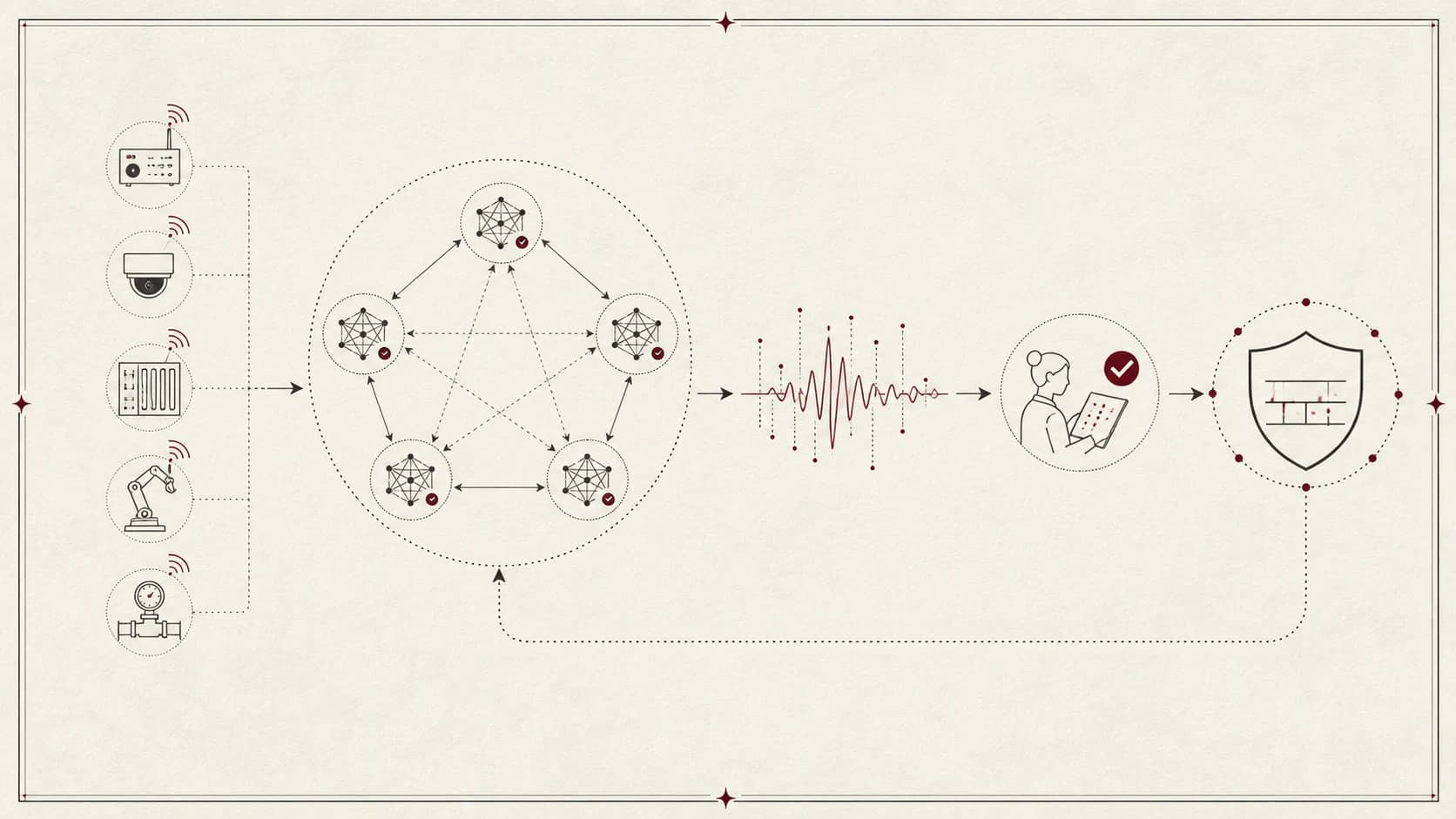
Connect telemetry, federated learning, alerts and LLM-assisted mitigation with traceable evidence, validation and reviewed feedback.
This site loads optional analytics from Google and external analytics providers only if you accept. You can decline and continue using the site normally.