
5 min readResearch note
How to Measure Robustness in Adversarial DFL Experiments
Evaluate DFL robustness with F1, false rejection, overhead and recovery. Interpret Flighter and compare clean and attacked conditions.
Research notes and technical guides on federated learning, distributed AI, cyberdefense, trustworthy systems, and privacy-preserving platforms.
Topic: Decentralized Federated Learning Clear topic
7 articles. Page 1 of 2.
5 min readResearch note
Evaluate DFL robustness with F1, false rejection, overhead and recovery. Interpret Flighter and compare clean and attacked conditions.

5 min readResearch note
How Flighter combines context and models to evaluate DFL reliability: study scope, indicator ablations and participant recovery.
5 min readResearch note
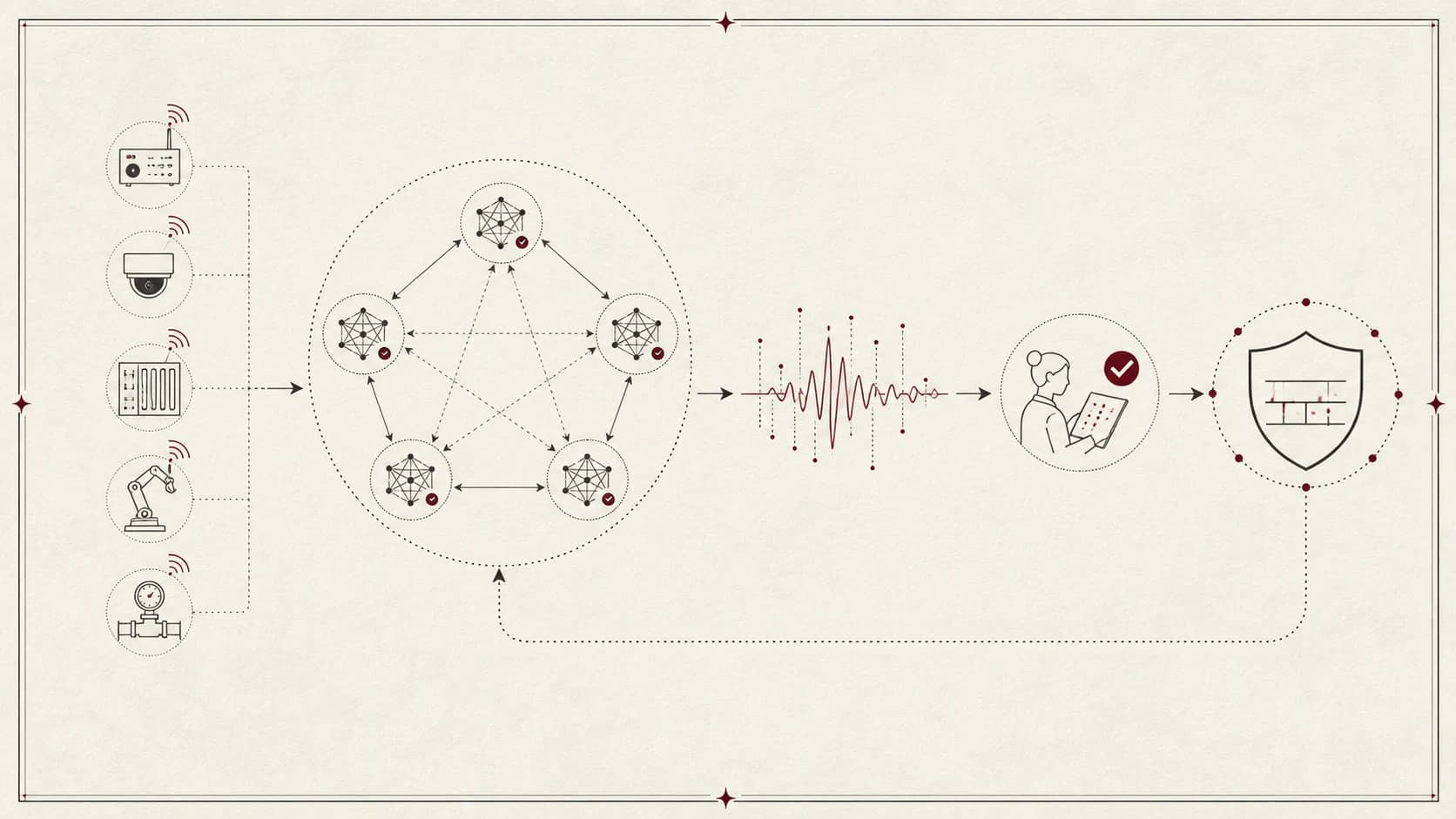
Connect telemetry, federated learning, alerts and LLM-assisted mitigation with traceable evidence, validation and reviewed feedback.
3 min readResearch note
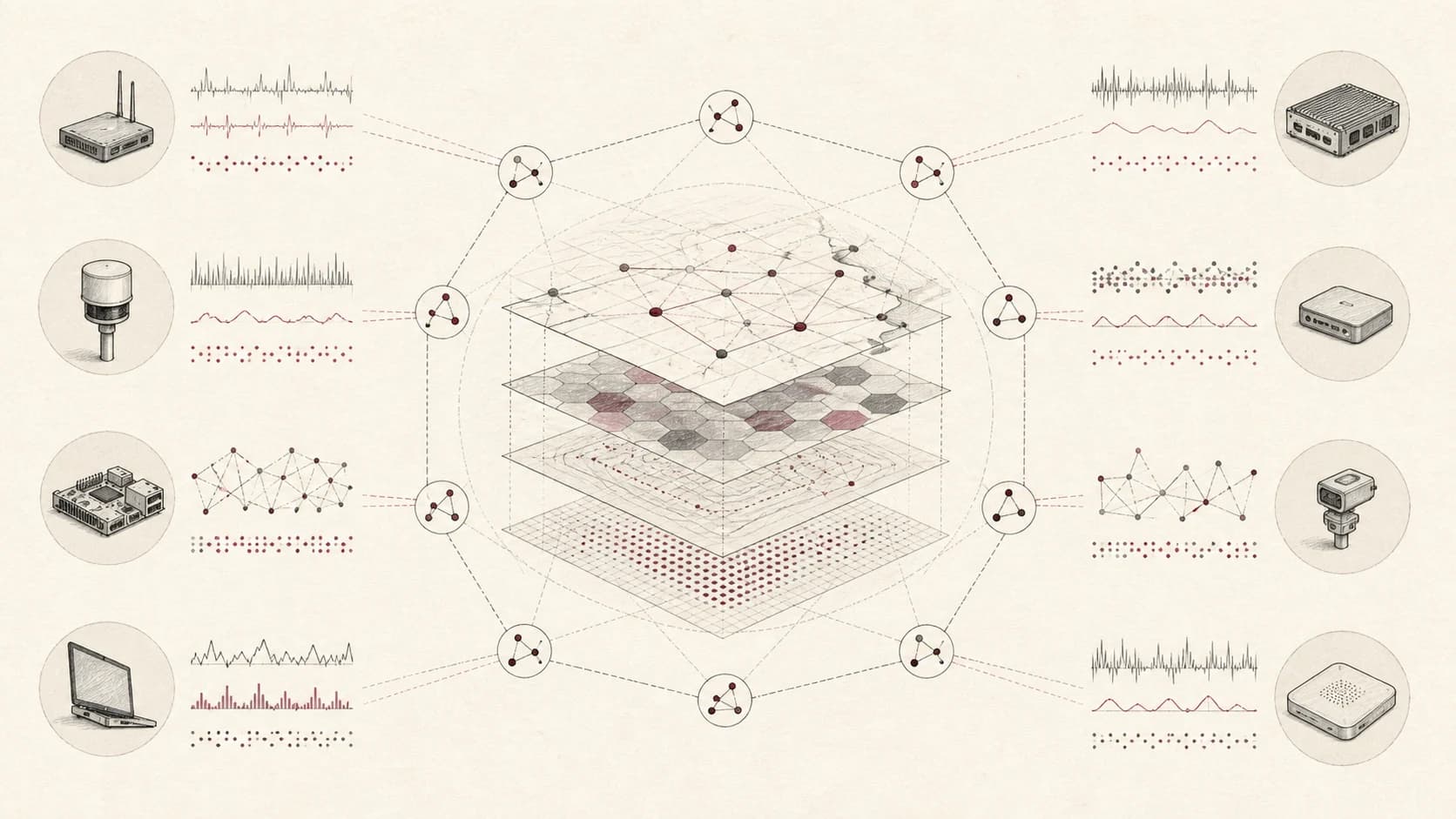
Build cyberdefense situational awareness with DFL: provenance, coverage, uncertainty and shared context for operational decisions.

3 min readResearch note
DFL for drones and edge systems: local inference, intermittent links, node recovery and evaluation of resources and reliability.
3 min readResearch note
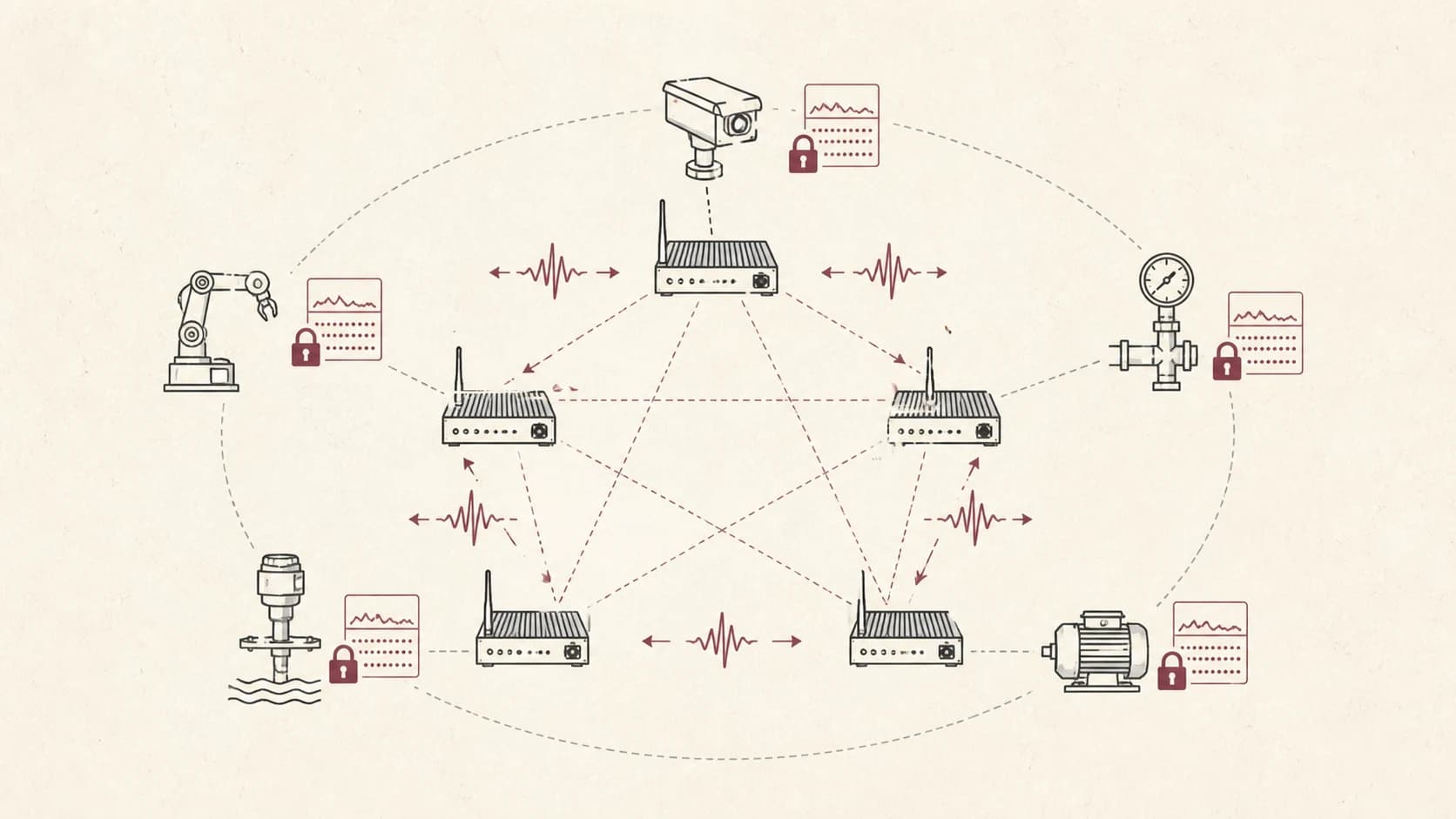
Privacy in IoT security with DFL: protected units, differential privacy budgets, secure aggregation and leakage-aware evaluation.
This site loads optional analytics from Google and external analytics providers only if you accept. You can decline and continue using the site normally.