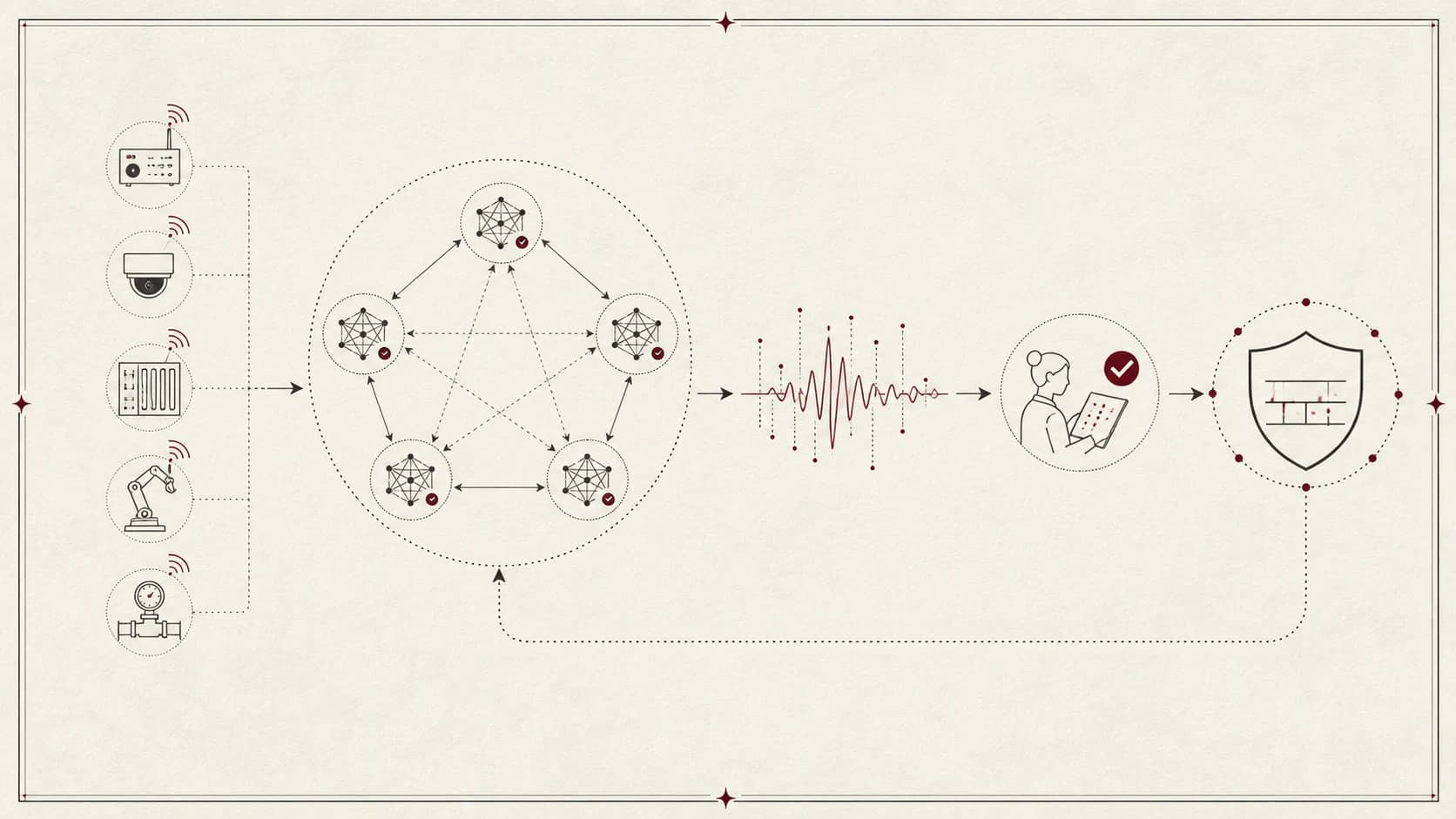
Situational awareness is the ability to understand what is happening, where it is happening, why it matters and what may happen next. In cyberdefense, that understanding is usually fragmented across sensors, logs, network domains, organizations and analysts.
Decentralized federated learning can help because it turns distributed observations into shared model behavior without requiring every participant to reveal raw telemetry.
From telemetry to shared context
A DFL system can learn from local events while preserving local data boundaries. Each participant keeps its own traces, but contributes to a shared model or shared evaluation process.
For situational awareness, the model output is only one signal. The useful view combines:
- anomaly scores,
- local confidence,
- peer agreement,
- drift indicators,
- reputation signals,
- recent mitigation results.
Decentralization in this setting
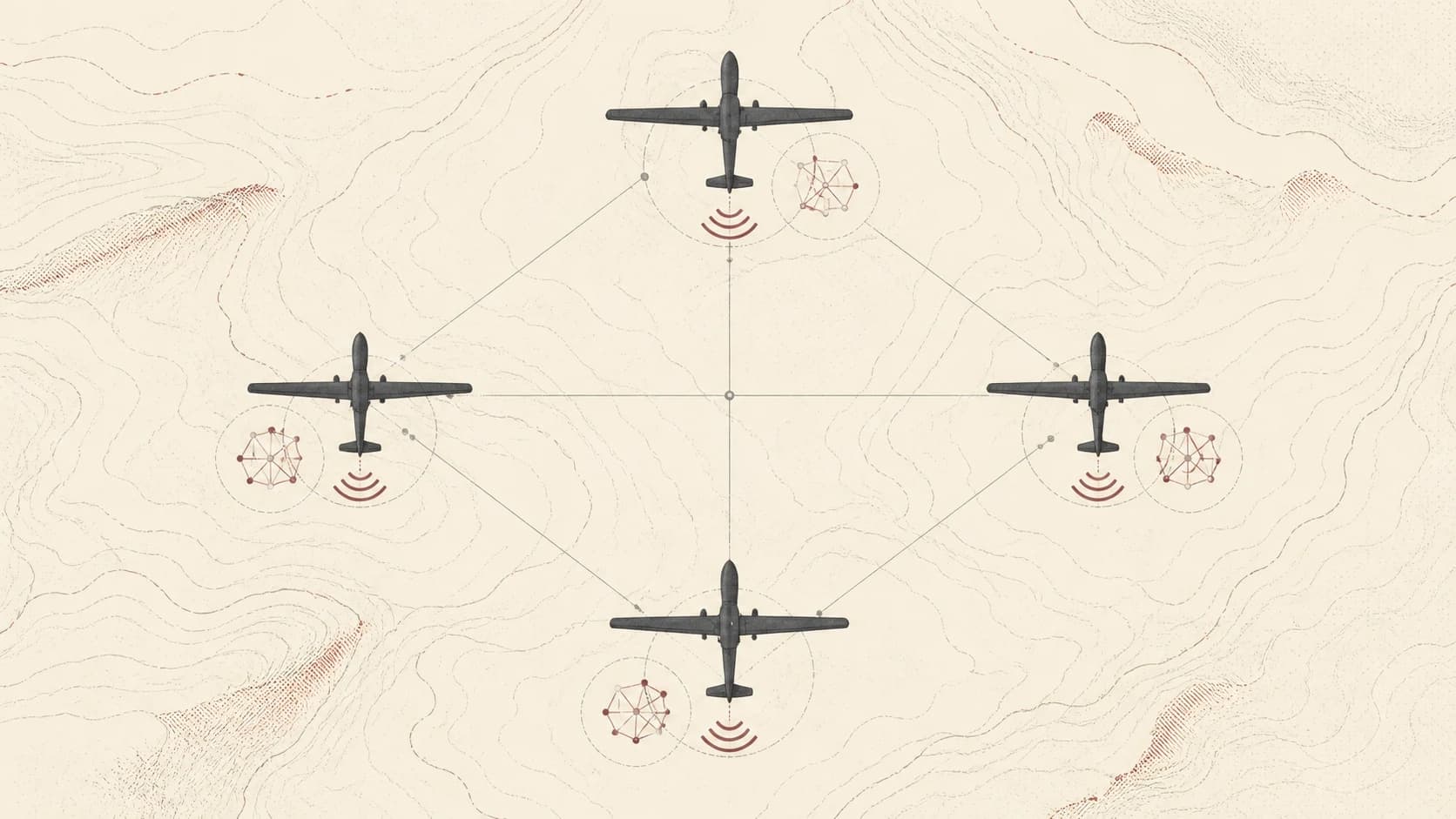
Centralized dashboards are useful, but they create operational and privacy bottlenecks. In federated cyberdefense, some participants may be agencies, companies, edge domains or tactical nodes that cannot send raw telemetry to a shared backend.
DFL allows the system to ask a different question: can the network build a useful view of the threat landscape while each participant keeps control of its data?
Trustworthy awareness
The hard part is trust. If peer updates are poisoned, delayed or biased, the shared picture becomes unreliable. That is why situational awareness must include trust signals about the model itself.
A robust system should expose uncertainty, peer disagreement and drift. Awareness is not just "what the model predicts"; it is also "how much we trust this prediction under current conditions."
Key takeaway
Situational awareness in DFL should be treated as an evidence layer, not only a dashboard. A useful cyberdefense view combines model output with trust evidence: what changed, which peers agree, where uncertainty exists and what should be inspected next.
Open research question
How much context can a federation share to improve awareness before the shared signals themselves become sensitive operational intelligence?
Agreement between nodes is not always independent evidence
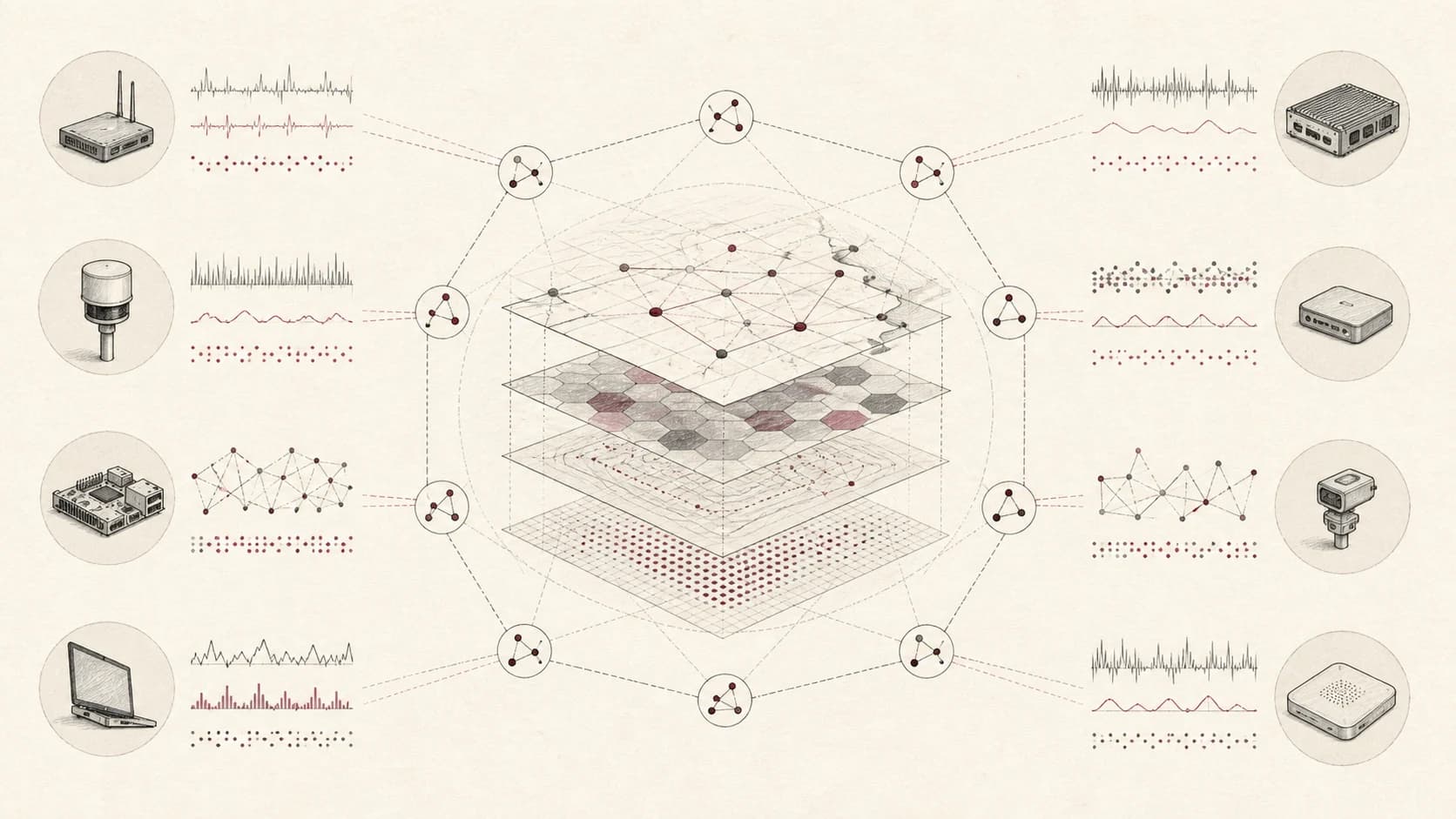
Five sensors repeating the same report do not provide five confirmations. Neither do five models trained on very similar updates. Preserve each observation's origin and distinguish sensor diversity, data diversity and source diversity. A situation view should expose support and contradictions with their time windows.
I propose describing each signal by asset, observed interval, origin, coverage and verification state. Coverage answers a different question from confidence: how much of the environment was actually observed. A model can be highly confident about a small area and have no information about the rest.
Share context without turning it into instructions
For structured intelligence exchange, OASIS STIX 2.1 provides objects and relationships for threat information. A common format supports interoperability but does not verify the truth of its contents. Information must retain its origin and sharing restrictions.
One useful pattern exposes three states: observed, inferred and awaiting corroboration. Missing telemetry should appear as a coverage gap rather than a safe asset. Expired evidence should leave the active evidence set while remaining available in the audit history.
A utility test for the analyst
Present the same event sequence with and without federated context. Measure time to identify the affected asset, hypotheses ruled out and claims requiring correction. These are proposed evaluation criteria, not results measured in this article.
The Flighter study connects context with participant reliability. The note on that mechanism develops that decision, while the complete cyberdefense lifecycle places situational awareness within response.